
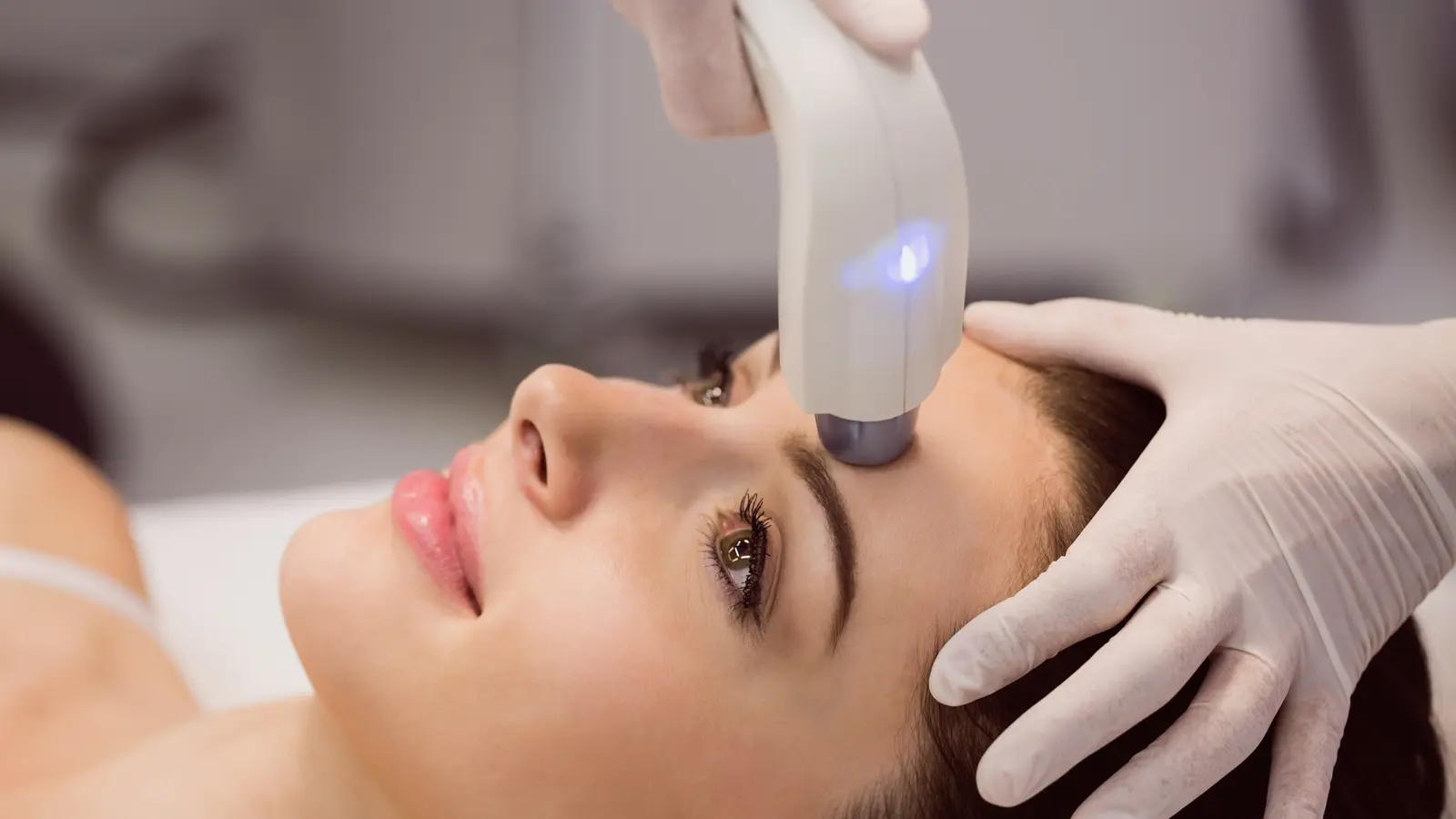
A dark spot is a sign, not a diagnosis. Under Tunisia’s intense sun, treating it too aggressively with a peel, laser or powerful serum can sometimes make it darker. Identifying the type of pigmentation comes first.
Different marks require different plans
A solar lentigo is usually well defined on sun-exposed skin. Melasma tends to form symmetrical patches on the forehead, cheeks or upper lip and can be influenced by ultraviolet light, visible light and hormones. Post-inflammatory hyperpigmentation follows acne, irritation, burns or an overly aggressive procedure.
A treatment suitable for a lentigo may aggravate melasma or trigger pigmentation in reactive skin. Any lesion that changes, bleeds or looks unusual needs medical assessment before cosmetic treatment.
Why assessment matters in Tunisia
The practitioner considers distribution, likely pigment depth, skin phototype, previous treatments and sun response. Medium and darker phototypes have a greater risk of pigmentation after inflammation, so conservative settings and gradual routines matter.
Possible approaches
Progressive topical care
Depending on the diagnosis, a dermatologist may consider azelaic acid, retinoids, prescription hydroquinone or other agents. Vitamin C may support an antioxidant routine but is not a universal melasma treatment.
Peels, lasers and light
The choice depends on skin type, season and diagnosis. Deep peels or poorly selected laser settings can cause inflammation and rebound pigmentation. Some lentigines respond to pigment lasers; melasma usually requires much greater caution.
Photoprotection is part of treatment
Use broad-spectrum sunscreen correctly and reapply during prolonged outdoor exposure. For melasma or visible-light-related pigmentation, a tinted sunscreen containing iron oxides may be helpful. Shade, hats and avoiding peak exposure remain important.
Why marks return
- introducing several strong actives together;
- scrubbing already irritated skin;
- using unlabelled lightening mixtures;
- stopping sun protection when the mark fades;
- expecting immediate removal instead of gradual improvement.
A realistic goal
Pigmentation often needs months of consistent care. The safest goal is a more even complexion without causing inflammation. Diagnosis and tolerance are more valuable than a succession of aggressive treatments.