Type of hair loss
Diffuse, localised, progressive, sudden or patchy hair loss: the pattern and course help guide diagnosis.
Information and guidance on cosmetic surgery and aesthetic medicine in Tunisia

Diffuse shedding, a receding hairline, bald patches and reduced density do not automatically require the same treatment. RJMed explains the assessment process, the main hair-restoration options, their limitations and the questions to ask before a consultation.
A hair loss treatment in Tunisia should begin by identifying the most likely cause. Progressive alopecia, reactive shedding after an event, inflammatory scalp disease and patchy hair loss require different investigations and treatment options.
The consultation reviews when the problem began, how quickly it is progressing, the areas involved, family history, medication, recent events and associated symptoms. Depending on the findings, a dermatology opinion or additional tests may be needed before any aesthetic procedure.
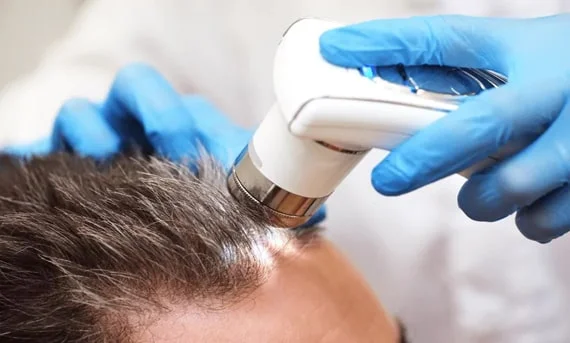
Diffuse, localised, progressive, sudden or patchy hair loss: the pattern and course help guide diagnosis.
Inflammation, scaling, pain, scarring or infection may change priorities and contraindicate a procedure.
Medical history, treatments, documented deficiencies, recent events and hormonal factors may need to be explored.
A miniaturised follicle, a scarred area and a visual density effect do not have the same treatment objective.
A technique name alone is not enough. Patients should understand its indication, what is injected or used, realistic outcomes and available alternatives.

The hair mesotherapy in Tunisia corresponds to superficial injections whose composition and protocol may vary. The professional must specify the product, its justification, the risks, the number of sessions and the limits of the available data.
Learn about hair mesotherapy →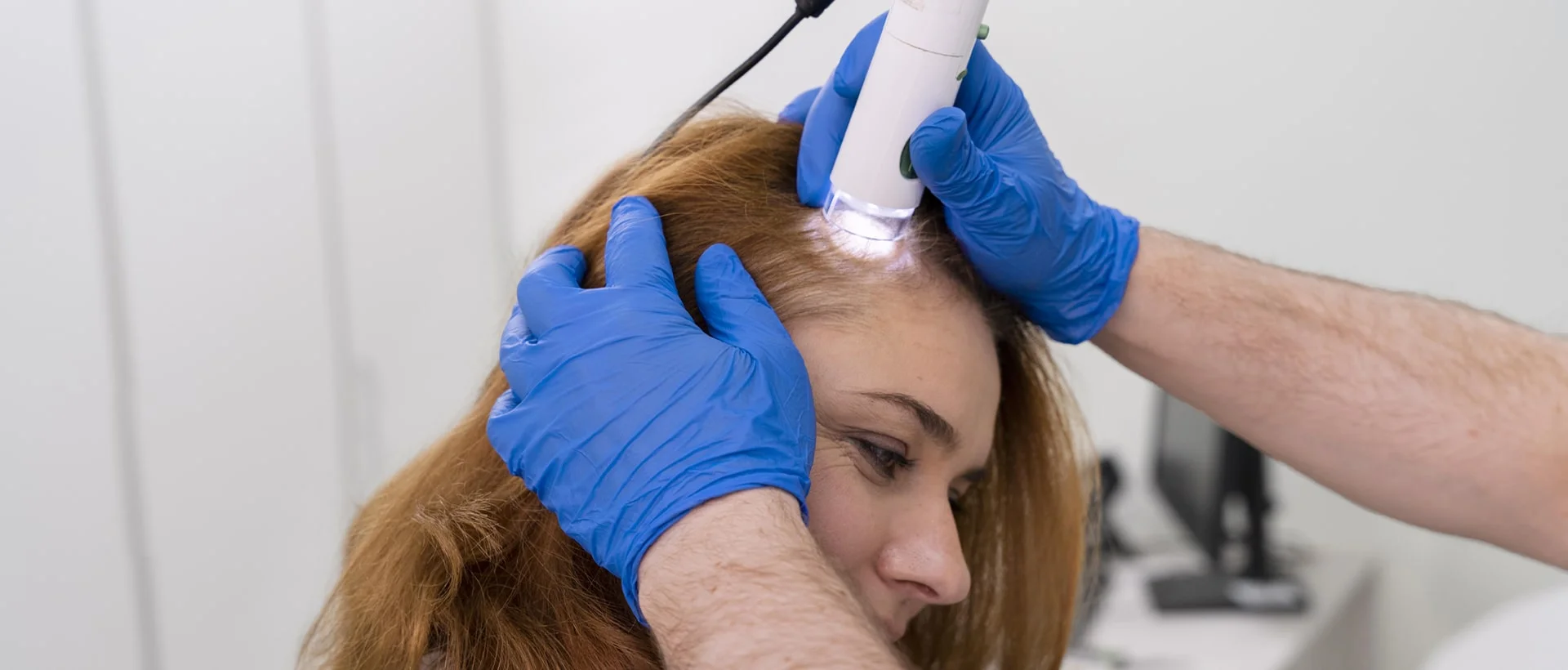
Some protocols use a preparation derived from the patient’s own sample. The indication, preparation process, hygiene conditions and level of evidence should be explained without promising the same regrowth for everyone.

Terms such as “stem cells” or “non-surgical transplant” may refer to very different procedures. Ask what the procedure actually involves, its regulatory status, the available clinical evidence and what the protocol cannot guarantee.
Review this approach →
The scalp micropigmentation in Tunisia creates the visual effect of greater density or a closely shaved scalp. It does not treat the cause of hair loss or stimulate regrowth. Pigments, design, hygiene, colour changes and future touch-ups should be discussed.
Learn about scalp micropigmentation →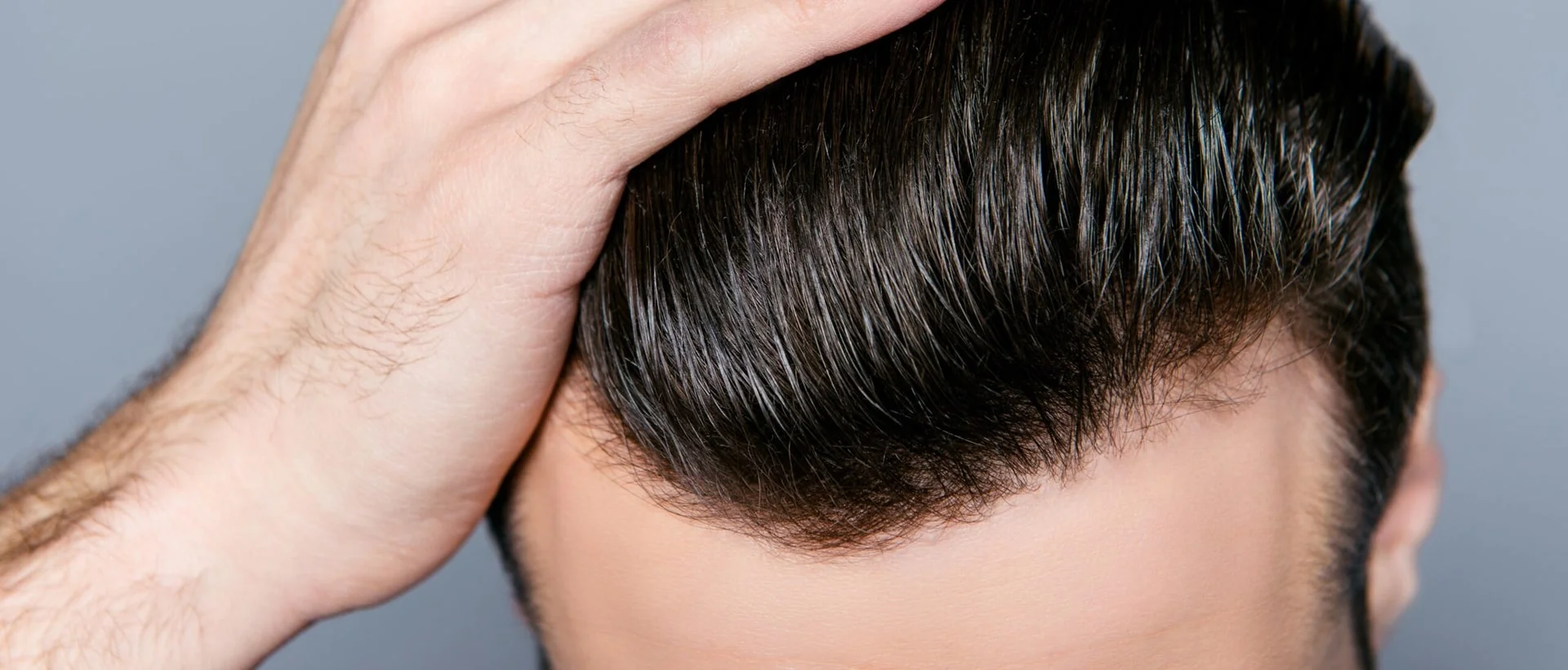
Medical treatment may aim to stabilise or support existing hair, whereas transplantation relocates follicles. These approaches have different goals, requirements and recovery considerations and should be compared after diagnosis.
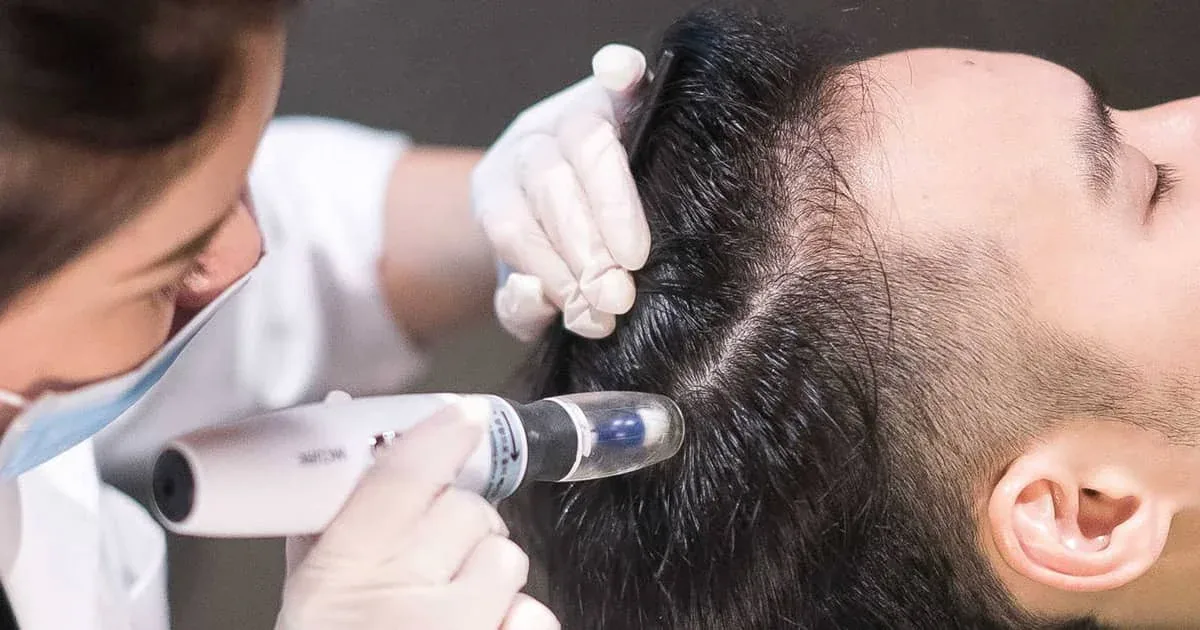
A meaningful assessment uses photographs taken under comparable conditions and takes the hair-growth cycle into account. The protocol should be reviewed if the expected benefit is not observed.
| Location | Possible approach | Essential limitation |
|---|---|---|
| Recent or diffuse shedding | Medical assessment and investigation of the cause before any protocol | An aesthetic procedure does not automatically correct the trigger |
| Progressive miniaturisation | Medical treatment, injections or technologies depending on diagnosis | Response varies and requires long-term follow-up |
| Area without functioning follicles | Discussion of transplantation or a visual camouflage option | An injection does not necessarily recreate absent follicles |
| Visual density effect | Scalp micropigmentation | Visual camouflage without an effect on growth |
| Inflammation or patchy loss | Dermatology assessment first | An aesthetic treatment may be unsuitable or need to be postponed |
The hair consultation in Tunisia should lead to a clear diagnostic hypothesis, not simply the sale of a package of sessions. Ask who examines the scalp, who personally performs the procedure and under what conditions.
For an injectable treatment, the product name, composition, origin and traceability should be identifiable. For a device, the model, mechanism and reason for choosing it should be explained. Remote photographs may help with initial guidance but cannot replace a scalp examination.
Sudden shedding, bald patches, pain, inflammation, crusting, significant itching or an unusual scalp change require medical assessment before an aesthetic treatment.
The cost of hair treatment in Tunisia depends on the assessment, the technique, the product or device, the surface concerned, the number of sessions and the follow-up. A price per session does not always allow you to know the total cost of the protocol.
Check whether the consultation, follow-up photographs, consumables, review appointments and any touch-up are included. For scalp micropigmentation, the number of areas, design complexity and future maintenance may also affect the quotation.
The number of sessions should not be fixed without an opportunity to reassess the indication and response. A remote estimate can help with planning, but the final quotation depends on the completed assessment.
Describe how the problem has evolved, the area involved and treatments already tried. RJMed helps you prepare useful questions.
The choice depends on the cause, progression, scalp condition, medical history and diagnosis. The same treatment is not suitable for every type of hair loss.
It may be discussed in selected situations, but no uniform outcome can be guaranteed. The injected product, indication, protocol and available evidence should be explained.
Sudden hair loss, bald patches, pain, significant itching, crusting, inflammation or an unusual scalp change warrant medical advice.
No. It creates the visual effect of density through pigmentation but does not stimulate growth or change the cause of hair loss.
The number and spacing of sessions depend on the technique, indication and observed response. The protocol should be reviewed rather than continued automatically.
Compare the assessment, technique, product or device, number of sessions, consumables, practitioner qualifications and included follow-up.
RJMed provides information and helps users submit an enquiry. Diagnosis, treatment indication and delivery remain the responsibility of the relevant healthcare professional.
Seasonal shedding, telogen effluvium or alopecia? Start by understanding the cause.
Before comparing procedures, verify the professionals, facility, quotation, package and medical-stay pathway.