
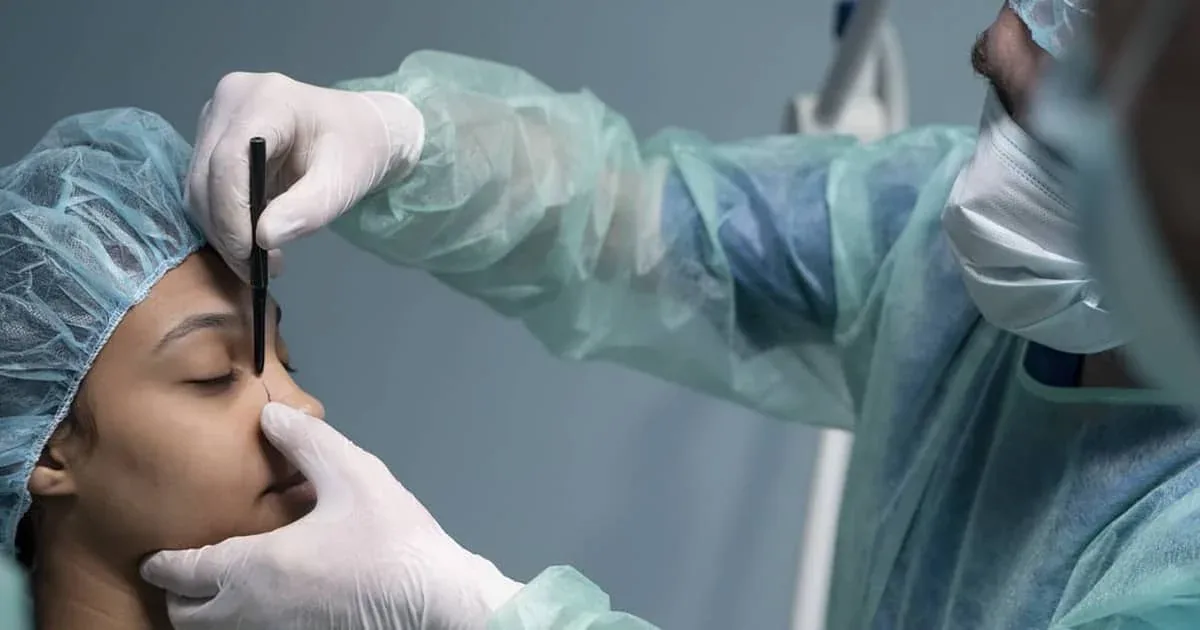
Facial surgery
Rhinoplasty, facelift, eyelid surgery, otoplasty, genioplasty and facial fat transfer address different, clearly defined indications.
Explore facial surgery →Information and guidance on aesthetic care in Tunisia
Explore the main cosmetic surgery procedures available in Tunisia for the face, breasts and body, their usual indications and the essential points to review before a medical consultation.
The same concern may have several possible approaches. These pages explain the usual aims of each procedure without replacing a clinical examination.
Rhinoplasty, facelift, eyelid surgery, otoplasty, genioplasty and facial fat transfer address different, clearly defined indications.
Explore facial surgery →
Breast augmentation, reduction, mastopexy and reconstruction are selected according to anatomy, goals and the proposed care plan.
Explore breast surgery →
Liposuction, tummy tuck, body lift and other body-lifting procedures do not address the same type of change.
Explore body contouring →
Depending on the areas involved, a tummy tuck, arm lift, thigh lift, back lift or body lift may be considered.
Learn about body lift →
The consultation considers the individual request rather than applying a standard aesthetic model to the chest, body, face or hair.
Explore procedures for men →
A non-surgical option does not necessarily provide a comparable result. Indications and durability differ.
Compare the approaches →Procedure names are sometimes treated as interchangeable. Yet removing localised fat, correcting excess skin, restoring volume and changing a structure involve different mechanisms.
| Concern being assessed | Procedures that may be discussed | Key point to understand |
|---|---|---|
| Localised fat | Liposuction | It reshapes selected areas; it is neither a weight-loss method nor an automatic treatment for loose skin. |
| Loose or stretched abdomen | Tummy tuck, sometimes combined with liposuction | Skin, the abdominal wall and fat distribution are assessed separately before the procedure is selected. |
| Loose skin after major body change | Body lift, arm lift, thigh lift, buttock lift or back lift | These may be extensive operations. Scar location, recovery and whether procedures should be staged must be explained. |
| Breast volume or position | Breast augmentation, reduction, mastopexy or reconstruction | Volume, skin, position, body shape and any devices influence the proposal and follow-up. |
| Facial balance | Rhinoplasty, blepharoplasty, facelift, genioplasty, otoplasty or fat transfer | Assessment considers proportions and, where relevant, function. It is not intended to reproduce another person’s face. |
Simply describe the area that concerns you and what you would like to understand. Initial guidance should help you find relevant information without asking you to choose a medical technique by yourself.
Tell us which procedure interests meThe cost of cosmetic surgery in Tunisia depends on the individual situation, the technique and the level of care required. A general estimate should not be confused with a personalised medical quotation.
A limited procedure and surgery involving several areas differ in operating time, resources and recovery. Revision surgery, asymmetry and medical history may also change the plan. A procedure name alone can never determine the price.
A quotation may include the operating theatre, medical team, medication, monitoring and hospital stay. Check the planned facility, anaesthesia, pre-operative tests and the organisation of the first follow-up visit.
For some breast procedures, the device brand, model and traceability matter. Implants are not lifetime devices; risks, monitoring and the possibility of future surgery should be discussed during consultation.
When accommodation or transfers are offered, they should be listed separately. Time in Tunisia should follow the medical schedule rather than the cheapest travel dates.
Price is often the first question, but it is not enough to compare two proposals. The quotation, surgeon's qualifications, clinic, anaesthesia, tests, monitoring and follow-up all matter.
A thorough consultation covers health, medical history, medication, previous procedures and goals. It should also address alternatives, limitations and possible complications. Photos or a remote exchange may support initial guidance but cannot replace medical assessment.
Start by checking that the practitioner's qualifications match the planned procedure. Ask for the surgeon's full identity, speciality, relevant experience and how professional registration can be verified. The surgeon should personally explain the indication, technique, alternatives, scars, risks and follow-up.
Reassuring communication alone does not prove quality of care. Confirm who performs the surgery, who provides anaesthesia, who answers questions afterwards and how follow-up is arranged after you leave Tunisia. Promises of a perfect or photo-identical result are not a substitute for these checks.
The clinic and medical team are integral to care. The facility should be named before commitment so you can ask about surgery, anaesthesia, monitoring and any hospital stay. The roles of surgeon, anaesthetist, clinic, coordinator and follow-up professional should be clear.
Photographs help explain expectations; they cannot reproduce another person's face or body. Anatomy, tissue quality and healing are individual. Credible information therefore cannot promise an exact or “perfect” appearance.
Ask what is included: professional fees, clinic, anaesthesia, tests, devices, follow-up, accommodation and transfers when offered. Also check what remains payable and what happens if medical care is needed after returning home.
Travelling from another city or country makes the procedure part of a wider plan. Flights, accommodation and personal availability must fit the medical timetable. The necessary stay depends on the operation, monitoring and recovery.
Provide accurate details of medical history, allergies, medication, tests and previous surgery. The clinician specifies required documents and instructions. A webpage cannot determine fitness for surgery, and medication must never be changed without medical advice.
Early checks assess recovery and reinforce instructions. A busy tourism or work schedule is not compatible with cautious convalescence. Travel, sun exposure and return to activity depend on the procedure and medical advice.
Before departure, know whom to contact, which checks are planned, which documents you will receive and when urgent medical advice is needed. Keep implant references where applicable. Continuity of care should not depend solely on informal messaging.
Combining procedures is not automatically beneficial. Operating time, anaesthesia, recovery and individual risk factors must be assessed. Only the medical team can decide whether combination is reasonable or treatment should be staged.
Tell us which area interests you and what you want to understand, without having to select a technique yourself.
Review aims, limitations, possible recovery and alternatives in RJMed's detailed guides.
Use the form to describe your search and receive initial guidance relevant to your request.
A medical consultation confirms the indication and explains care suited to your situation.
Compare care, professionals, costs and travel without reducing a medical decision to a package.
All-inclusive cosmetic surgery in Tunisia: understand medical fees, clinic, hotel, transfers, exclusions and follow-up before comparing packages.
Read the guide →How to choose a cosmetic surgeon in Tunisia: qualifications, relevant experience, consultation, clinic, consent and postoperative follow-up.
Read the guide →Choosing a cosmetic surgery clinic in Tunisia: operating theatre, anaesthesia, team, hygiene, monitoring, records and follow-up.
Read the guide →Cosmetic surgery prices in Tunisia: understand quotation items, included and excluded costs, variations and questions to ask before comparing.
Read the guide →Prepare a cosmetic surgery stay in Tunisia: assessment, timing, clinic, accommodation, return travel, checks and medical follow-up.
Read the guide →Tell us the procedure or area you are researching.
Compare the surgeon, clinic, technique, anaesthesia, devices, checks and follow-up, then review what the quotation includes and excludes. Price alone does not describe the care pathway.
An initial exchange may help guide the request. The final indication requires a medical consultation and may change after examination.
Sometimes a non-surgical approach meets a limited goal, but its mechanism, extent and durability differ. The clinician should explain realistic alternatives.
Technique, extent, anaesthesia, clinic, devices, hospital stay and follow-up may differ. A detailed quotation lets you compare content, not only totals.
It depends on duration, areas treated, health and expected recovery. Combining procedures is appropriate only when the medical team considers it reasonable after assessment.
Ask for the follow-up schedule, useful contact details, medical report, device references where relevant and instructions if a problem occurs after returning home.
RJMed provides information about procedures and helps users present a request. Diagnosis, consent and treatment remain the sole responsibility of the healthcare professionals involved.
Before comparing procedures, verify the professionals, facility, quotation, package and medical-stay pathway.