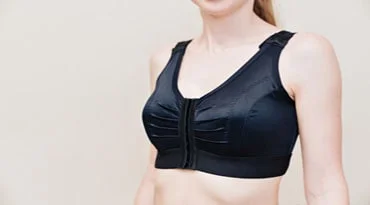
Cosmetic surgery
Face, breasts or body: learn about the goals of the main procedures, preparation, recovery and the points to check before deciding.
Explore procedures
RJMed helps you explore cosmetic surgery in Tunisia, aesthetic treatments, laser procedures, hair restoration and dental care. Read detailed guidance, prepare your questions and tell us what you are looking for.
The first step is to understand how each approach works. A consultation with a qualified professional is still essential to confirm suitability and assess benefits, limitations and risks.
Face, breasts or body: learn about the goals of the main procedures, preparation, recovery and the points to check before deciding.
Explore procedures
Injectables, skin technologies, laser and targeted treatments: compare non-surgical options whose indications and outcomes vary from one person to another.
Discover treatmentsEach page brings together relevant procedures and answers practical questions about suitability, consultation, recovery and expected outcomes.
Rhinoplasty, facelift, eyelid, ear and chin surgery.
View procedures →Breast augmentation, reduction, lift and reconstruction.
View procedures →Liposuction, tummy tuck, body lift and other body-contouring procedures.
View procedures →Procedures for the chest, body, face and hair.
View procedures →
Aesthetic medicine in Tunisia includes targeted procedures for skin quality, facial volume, unwanted hair and visible signs of ageing. It does not automatically replace surgery: outcomes, duration and limitations are different.
RJMed also provides guidance on hair loss, restoration techniques and smile aesthetics. Every approach begins by identifying the cause or indication, then choosing a suitably qualified professional.
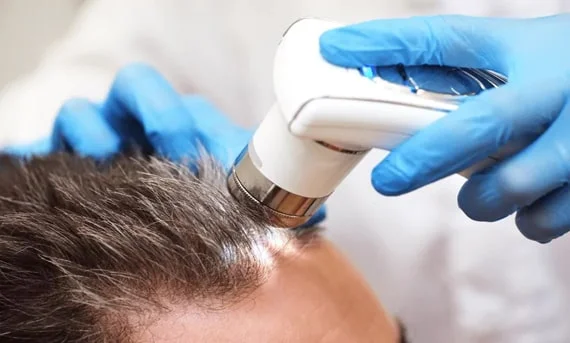
Mesotherapy, PRP, transplantation, scalp micropigmentation and other options do not address the same causes. Learn about the techniques, their limitations and the questions to ask before hair treatment in Tunisia.
Explore hair restoration options →
Whitening does not treat every type of discoloration in the same way. A dental examination helps identify the cause of staining, assess teeth and gums, and select an appropriate method.
Understand teeth whitening →RJMed structures information so your enquiry is clearer and discussions with the professional are more useful.
Browse pages about the procedures and treatments relevant to your needs.
Review indications, limitations, possible recovery and questions to ask the practitioner.
Use the form to tell us which procedure, treatment or area interests you.
The professional confirms whether treatment is suitable and explains the care appropriate to your situation.
Go directly to detailed pages, each focused on a specific procedure and search intent.
Understand the contouring of localised fat, its indications and limitations.
Explore liposuction →Learn about abdominal surgery, consultation and recovery planning.
Explore tummy tuck surgery →Compare options, selection criteria and questions to discuss with the surgeon.
Explore breast surgery →Explore nose surgery, facial analysis and the importance of realistic goals.
Explore facial surgery →Understand what a facelift can address and how it differs from non-surgical techniques.
View facial procedures →Understand this extensive surgery, its preparation and the need for thorough assessment.
Explore body lift surgery →Searching for cosmetic surgery in Tunisia often begins with the name or price of a procedure. However, a responsible decision cannot be based on an advertised price alone. The surgeon’s qualifications, operating facility, quotation, anaesthesia, recovery and follow-up arrangements must all be assessed together.
Tunisia offers a broad range of plastic, reconstructive and cosmetic surgery as well as aesthetic medicine. This diversity makes it possible to consider many facial, breast and body procedures, but it also makes careful comparison essential: two offers with the same name may not include the same services or follow-up protocol.
RJMed therefore does not present cosmetic surgery as a simple product or travel package. The website helps readers understand terminology, distinguish techniques and prepare for a useful discussion. The goal is not to choose an operation alone, but to attend consultation with clearer questions and realistic expectations.
RJMed is an information and guidance website : it is neither a clinic nor a medical practice and does not provide diagnoses. The platform publishes guides on procedures and treatments available in Tunisia and helps users submit information requests. Suitability, treatment plans, medical quotations, consent and performance of any procedure remain solely the responsibility of the relevant practitioners and facilities.
A web page can explain a technique, but it cannot diagnose or guarantee that it is suitable for an individual. Clinical examination, medical history, current treatments and expectations must be discussed with the practitioner. A less invasive alternative may sometimes be considered; in other cases, it will not provide an outcome comparable to surgery.
The same principle applies to medicine in Tunisia. Injectables, laser, peels and tightening technologies each have their own indications, limitations and precautions. “Non-surgical” does not mean risk-free or equivalent to surgery.
Your choice should not rely solely on a result photo, a promotion or the name of a technology. Check the practitioner’s qualifications, experience with the planned procedure, the products or devices used, the treatment setting and follow-up arrangements. Consultation should also clarify the likely number of sessions, expected duration of effects and possible reactions.
For injectables, lasers, peels and radiofrequency treatments, the same label may cover different protocols. Skin type, skin quality, medical history and current treatments can affect suitability. An aesthetic doctor in Tunisia should explain why a technique is proposed, which alternatives exist and when treatment should not be performed.
Aesthetic medicine can address a targeted concern without hospitalisation, but its effects are often gradual or temporary. Surgery acts differently on tissues and may involve preparation, anaesthesia and more structured recovery. Comparing the two therefore requires considering the desired result, duration, constraints and follow-up rather than presenting them as equivalent versions of one treatment.
Before accepting an offer, check the practitioner’s qualifications, clinic and medical follow-up, and ask about the planned technique, tests, monitoring period, follow-up appointments and instructions after returning home. The quotation should be clear enough to prevent comparisons between prices that do not cover the same items.
A clinic’s location may simplify logistics, but it should not become the main selection criterion. In Tunis or another city, verify who will perform the procedure, the planned facility, anaesthesia conditions and availability of follow-up. Time spent in Tunisia should follow the medical schedule rather than only transport or accommodation prices.
Recovery depends on the procedure and the individual. Travel, accommodation and return arrangements should not compromise necessary checks. The surgeon and anaesthetist determine the appropriate precautions. RJMed helps prepare questions and direct enquiries; the decision and protocol remain the responsibility of the healthcare professional.
Rhinoplasty, tummy tuck, breast surgery, skin treatments, laser and hair restoration: each guide addresses questions specific to the procedure or treatment. This helps you understand options, limitations, typical recovery and points to discuss during consultation.
Tell RJMed what you are looking for. Mention the procedure you are considering and your questions so you can receive a more relevant response.
Check the surgeon’s specialty, professional registration, experience with the planned procedure and the facility where it will take place. Consultation should cover suitability, alternatives, risks, recovery and follow-up.
An initial estimate may sometimes be provided from general information. However, the final plan and cost require medical assessment and a quotation that clearly states what is included.
Not always. Some non-surgical techniques address limited indications and produce different, often temporary effects. The choice depends on the goal, medical examination and balance of benefits, limitations and risks.
The proposal should separate professional fees, clinic and anaesthesia costs, tests, any accommodation, transfers, check-ups and follow-up conditions. Also ask what is not included.
State the procedure or area that interests you, your main questions and, if helpful, your availability. You do not need to know the exact name of a technique: the first exchange is intended to guide your research, not replace consultation.
No. Information or photographs can support an initial exchange, but final suitability, treatment planning and consent require assessment by the relevant healthcare professional.
RJMed provides information about cosmetic surgery and aesthetic medicine in Tunisia and helps users submit enquiries. Diagnosis, suitability, consent and performance of any procedure remain exclusively the responsibility of the relevant healthcare professionals.
Practical, evidence-informed articles written for the Tunisian context.
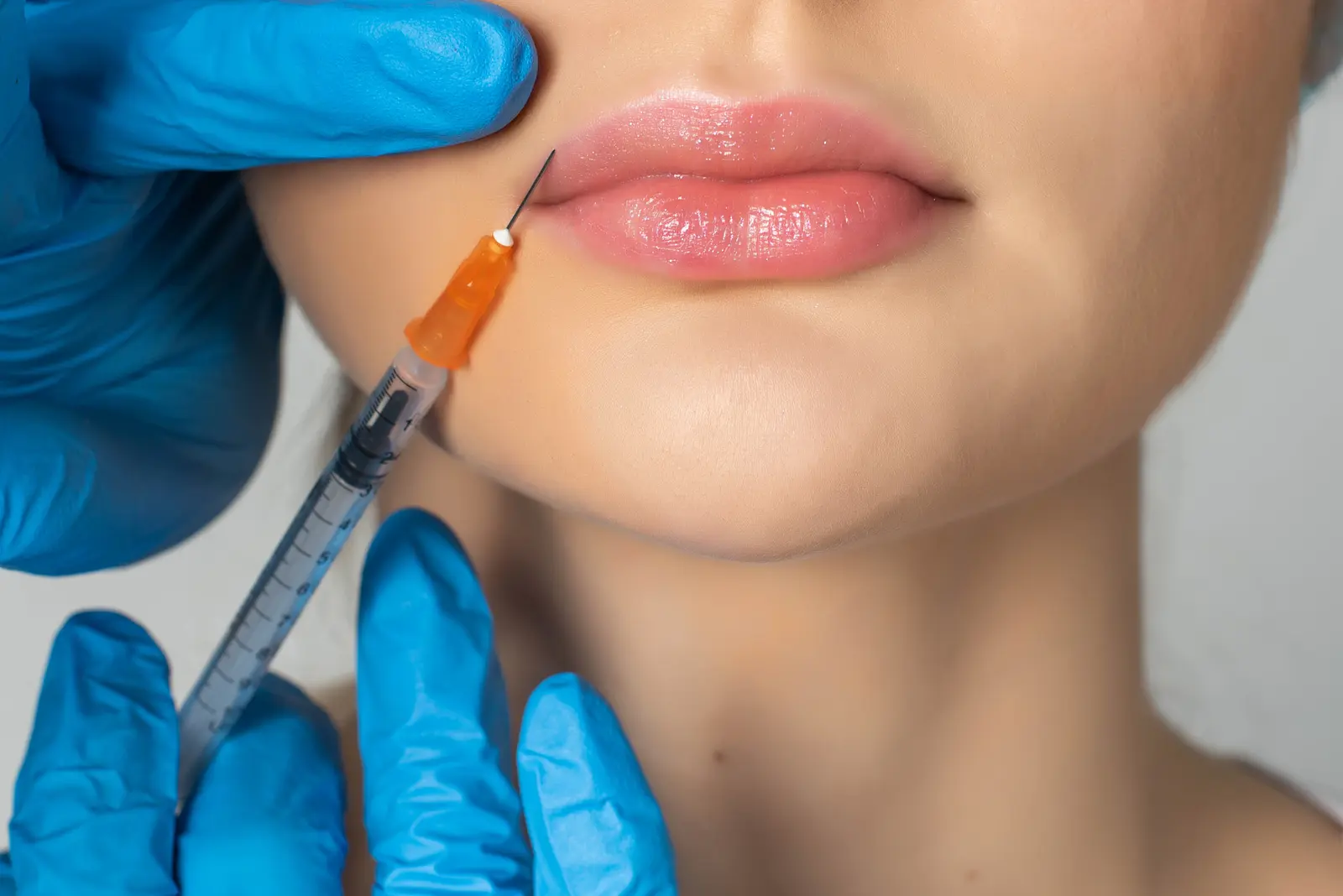
In Tunisia, an injection is a medical procedure. Essential checks before entrusting someone with your face.
Read the article →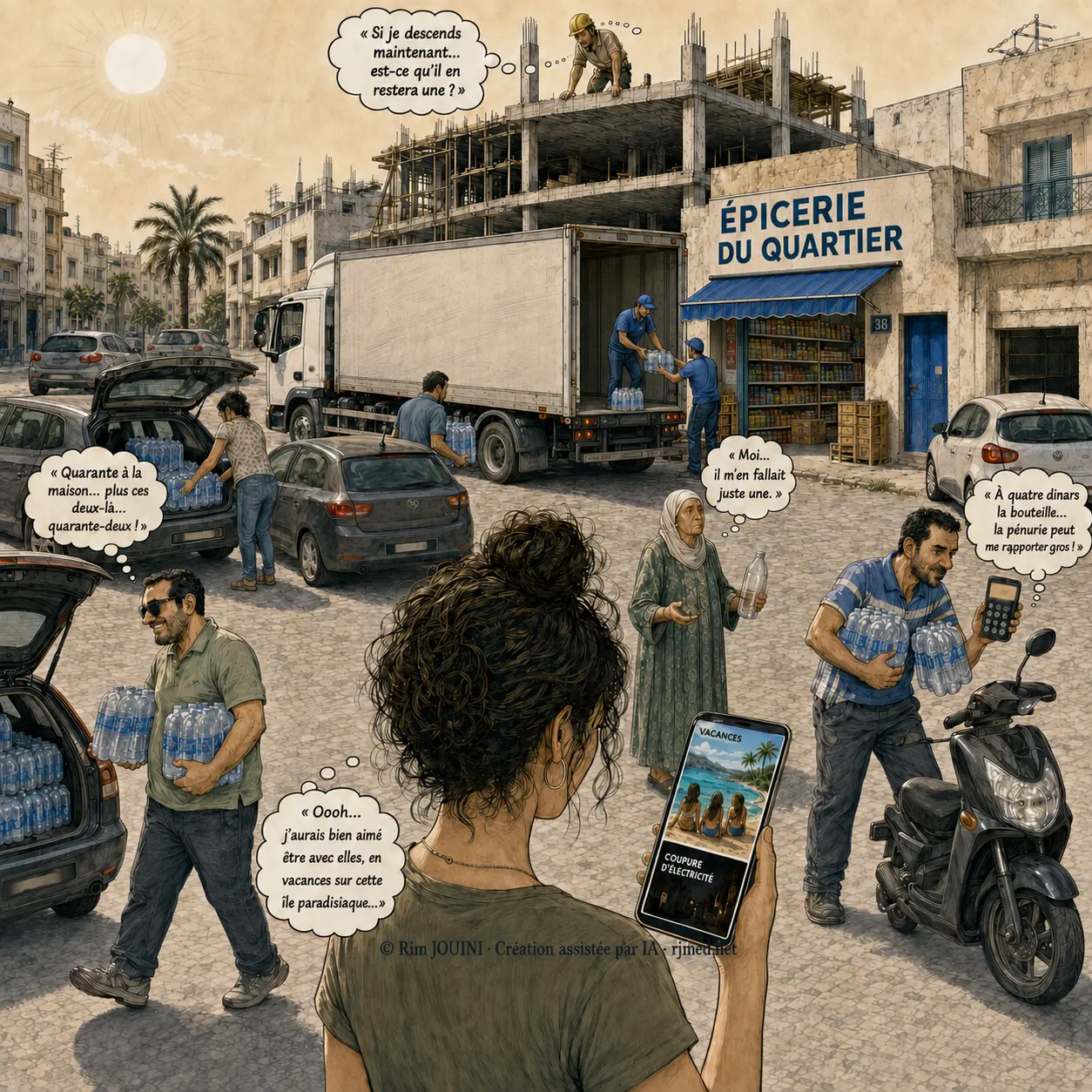
Daily pressures, distressing news and social comparison: recognise overload and create genuine recovery time.
Read the article →
Season, deficiency, stress or alopecia: understand hair shedding and when to seek advice before buying treatment.
Read the article →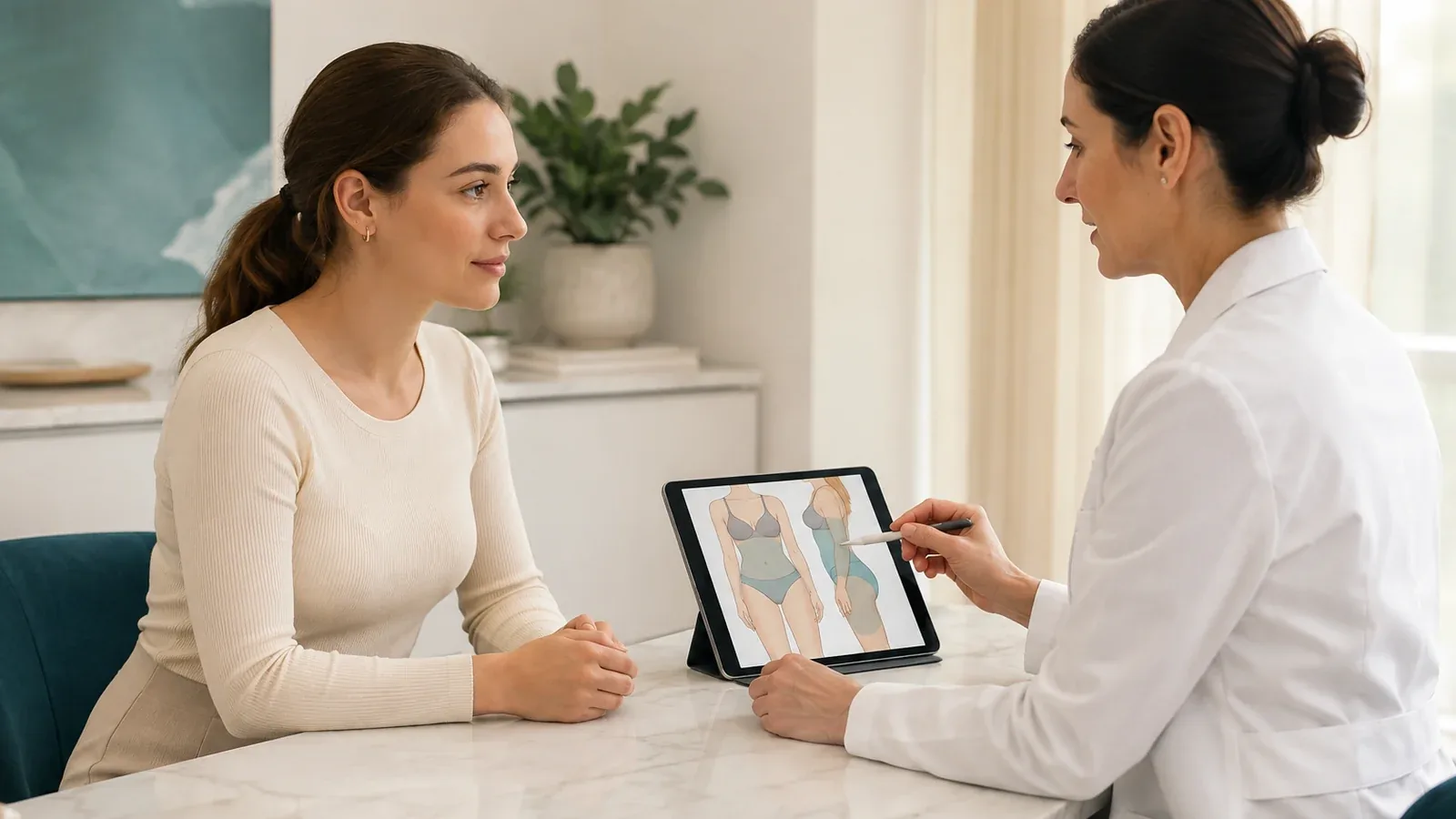
Weight loss, localised fat and loose skin: understand what surgery can and cannot correct.
Read the article →
The number on the scale is not the whole story. Understand possible factors without shame or social-media comparisons.
Read the article →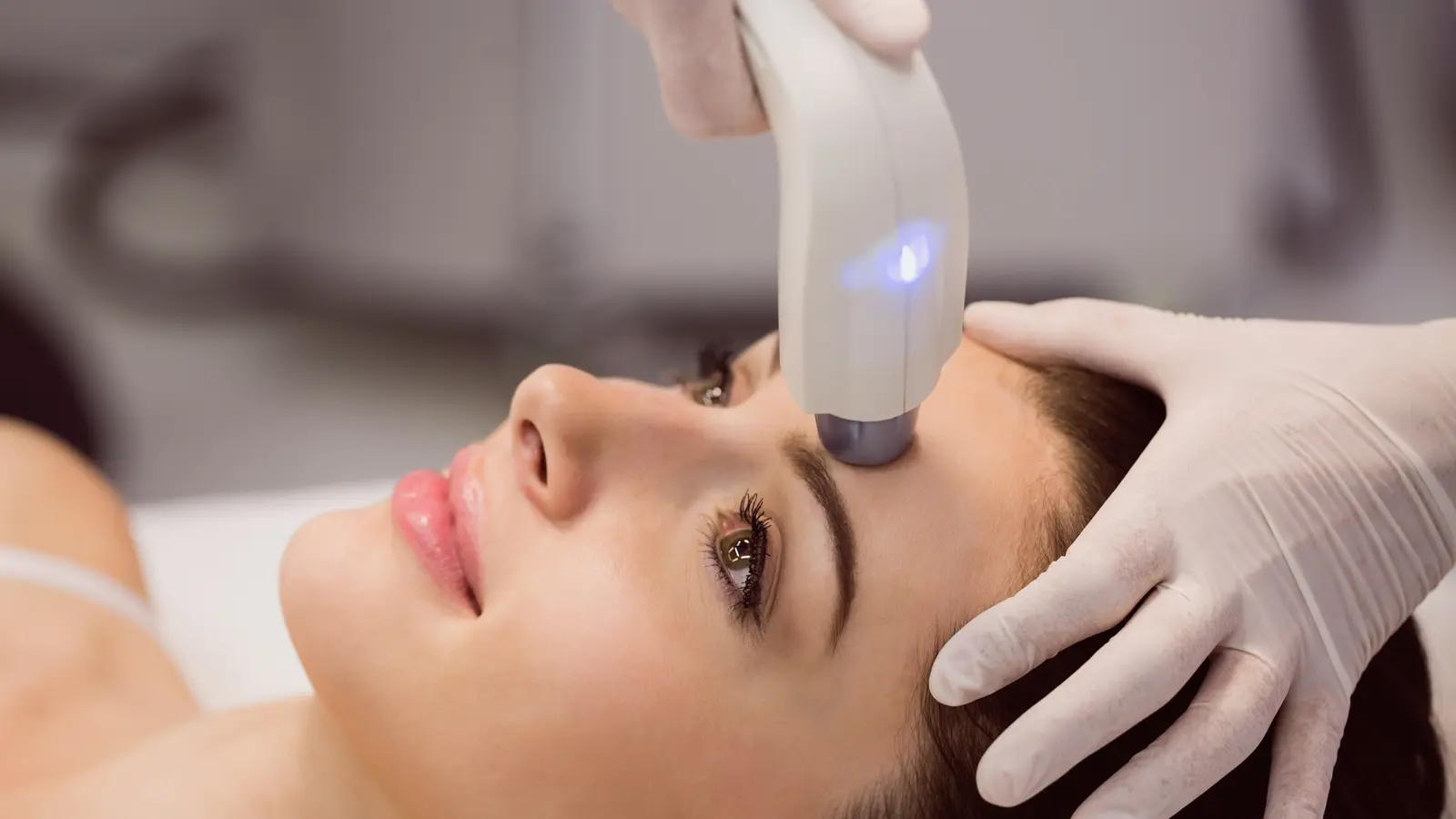
Melasma, sun spots or acne marks: understand facial pigmentation, treatment choices and relapse prevention in Tunisia.
Read the article →
Practical sun protection in Tunisia: sunscreen amount, reapplication, clothing, pigmentation and aftercare following aesthetic procedures.
Read the article →
Topical vitamin C: morning or evening, tolerance testing, ampoule storage, oxidation and sunscreen in Tunisia.
Read the article →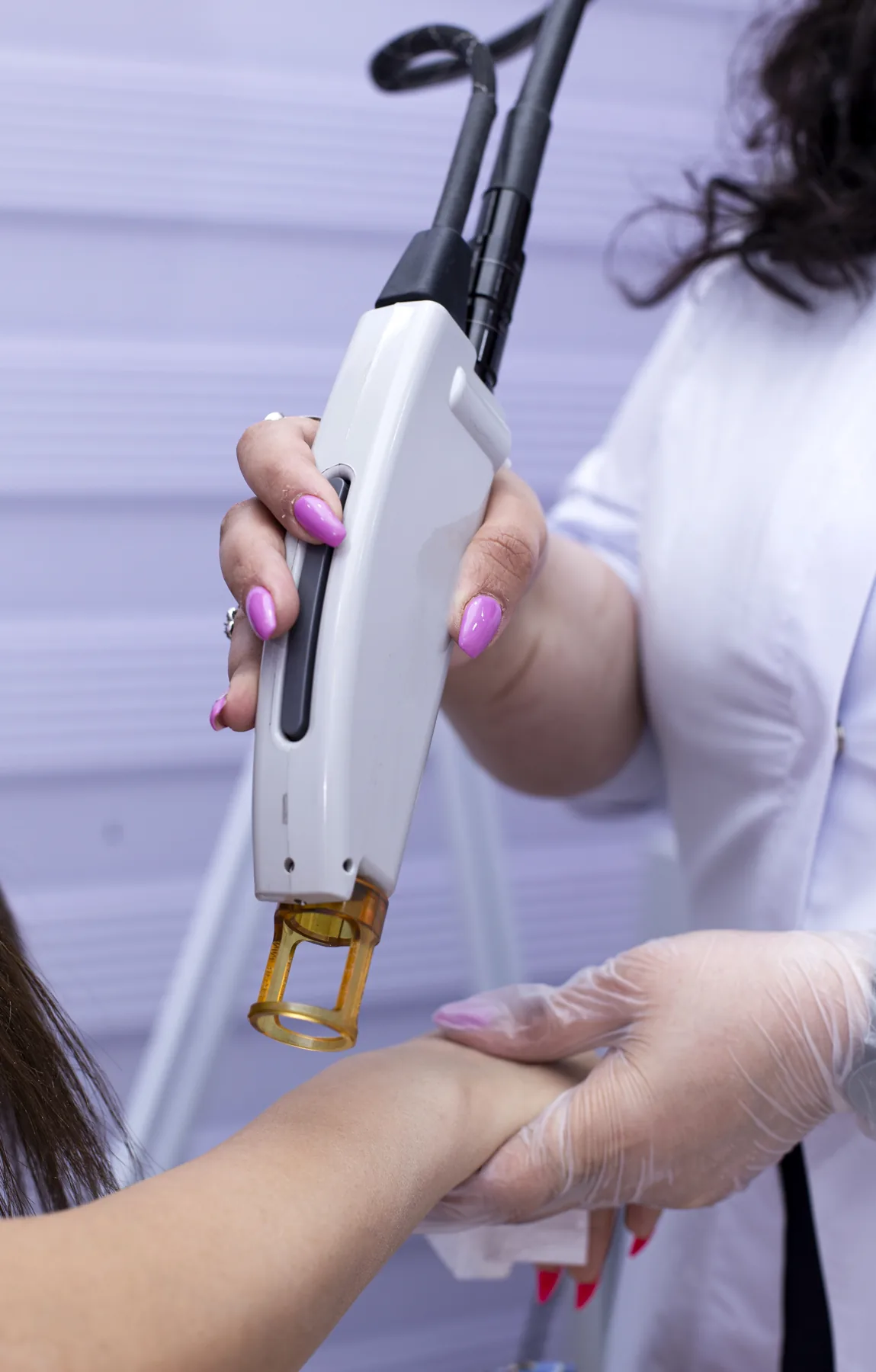
Laser results, regrowth, maintenance and Tunisian sun: what to know before starting treatment.
Read the article →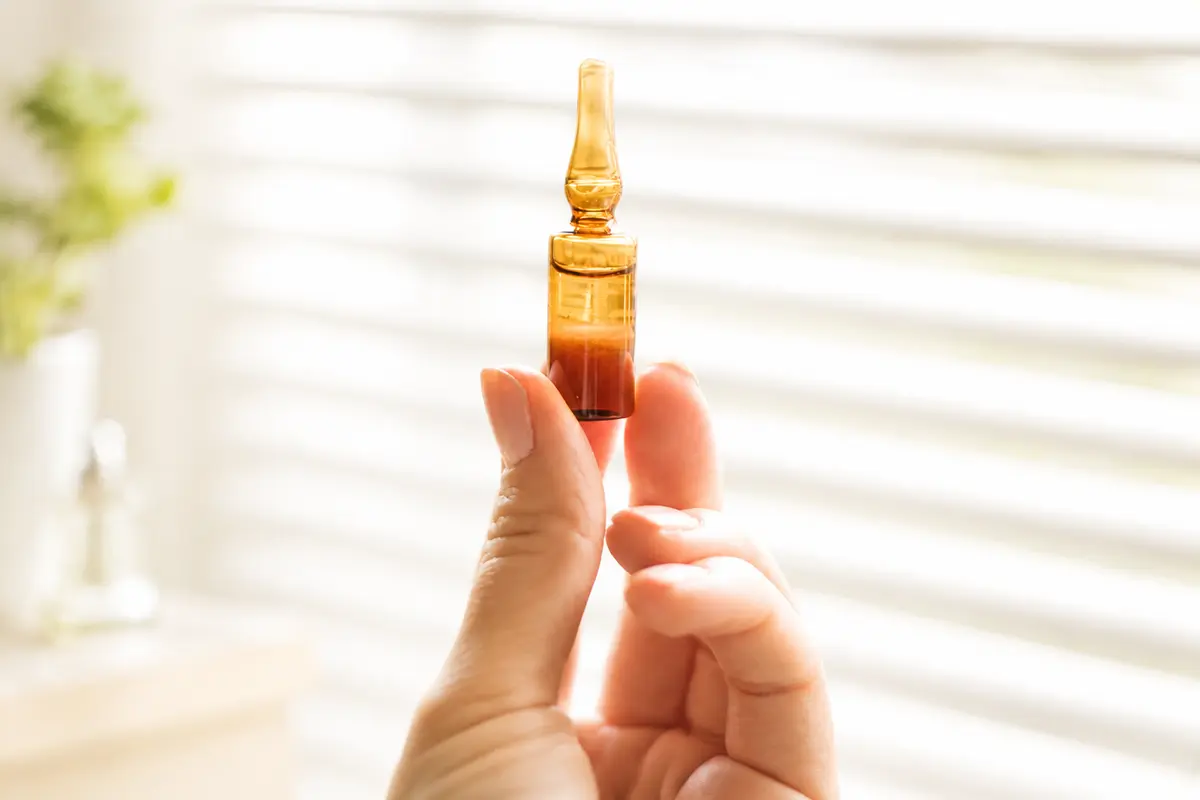
Concentrated ampoules, overdose risk and Tunisian sunshine: why one supplement routine cannot suit everyone.
Read the article →Cosmetic surgery inspires misconceptions, trends and sometimes surprising requests. RJMed explores them with humour and kindness, without judging patients or mocking anyone’s appearance.

When a trend promises a new gaze, the cat still checks whether he recognises the person.
Read: blepharoplasty vs fox eyes →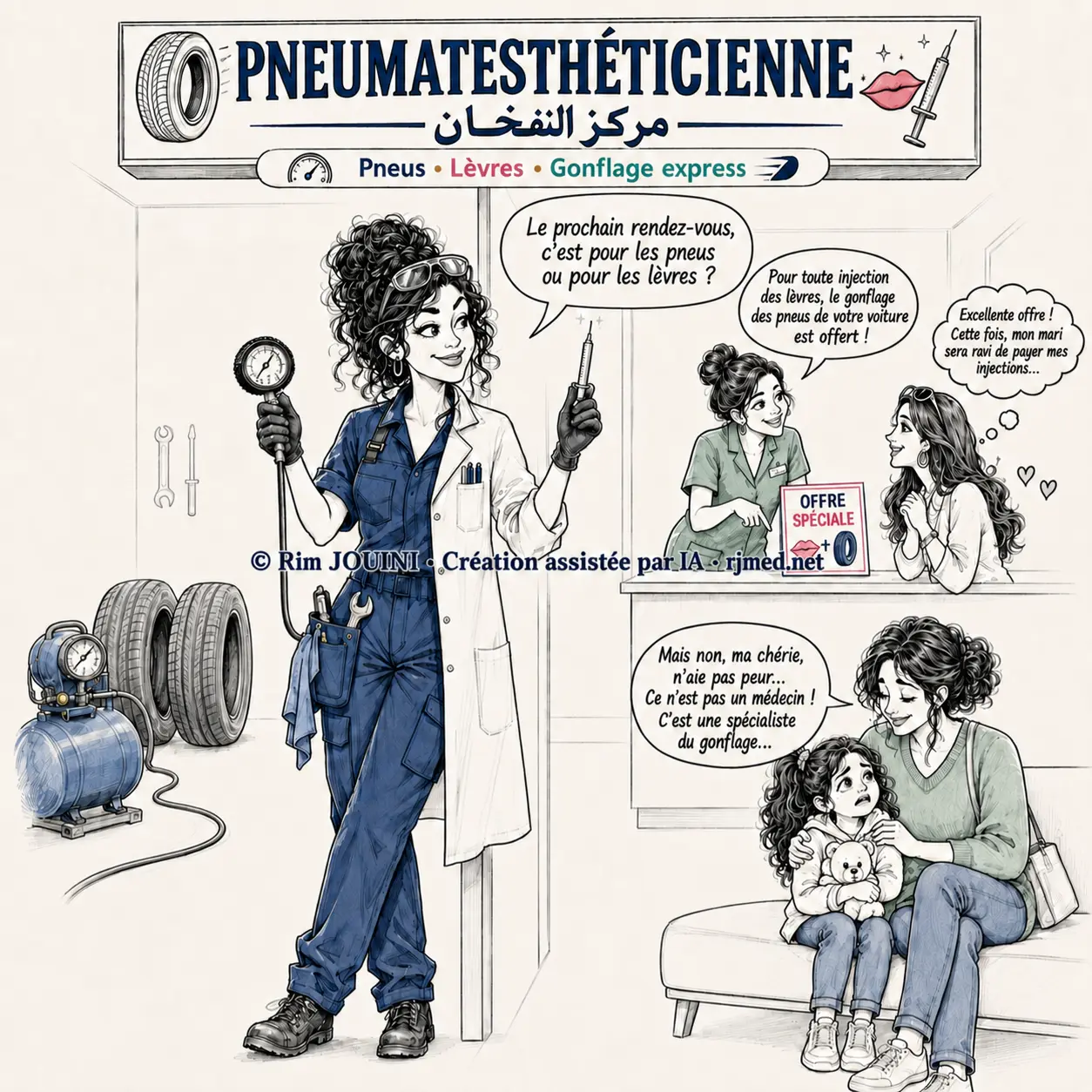
When an injection is sold as an ordinary beauty service, the first question remains: who is holding the syringe?
Understand injection safety →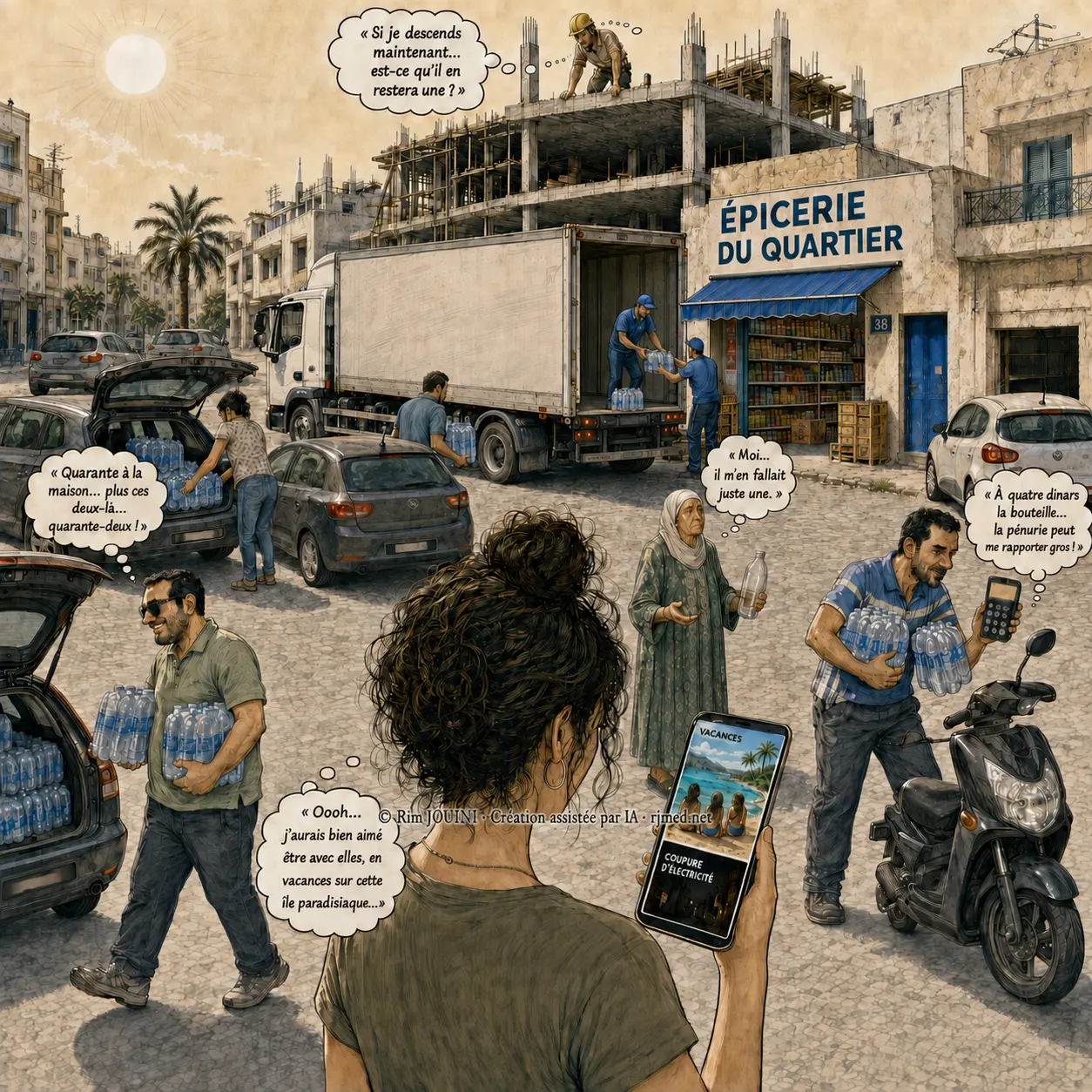
Between real concerns, distressing news and idealised lives, the mind may absorb more than we realise.
Understand invisible mental load →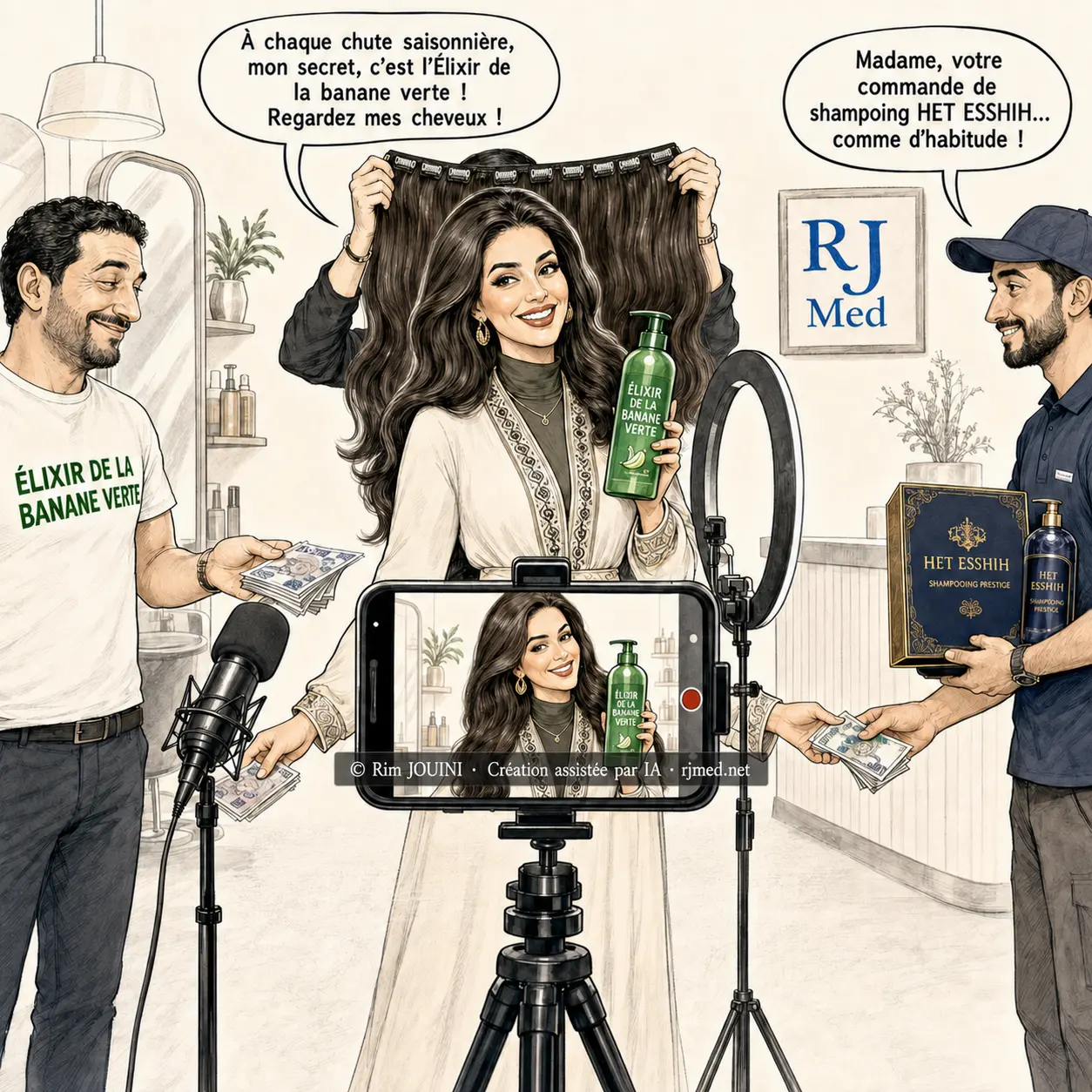
When advertising promises a miracle elixir, the real delivery reminds us to investigate why hair is shedding.
Understand seasonal hair shedding →
Teeth so dazzling that the sunglasses finally crack.

Trends change quickly; a procedure deserves an individual medical discussion.

From wrinkles to Instagram-ready features: when correction becomes accumulation and expression begins to disappear.
Read the RJMed article →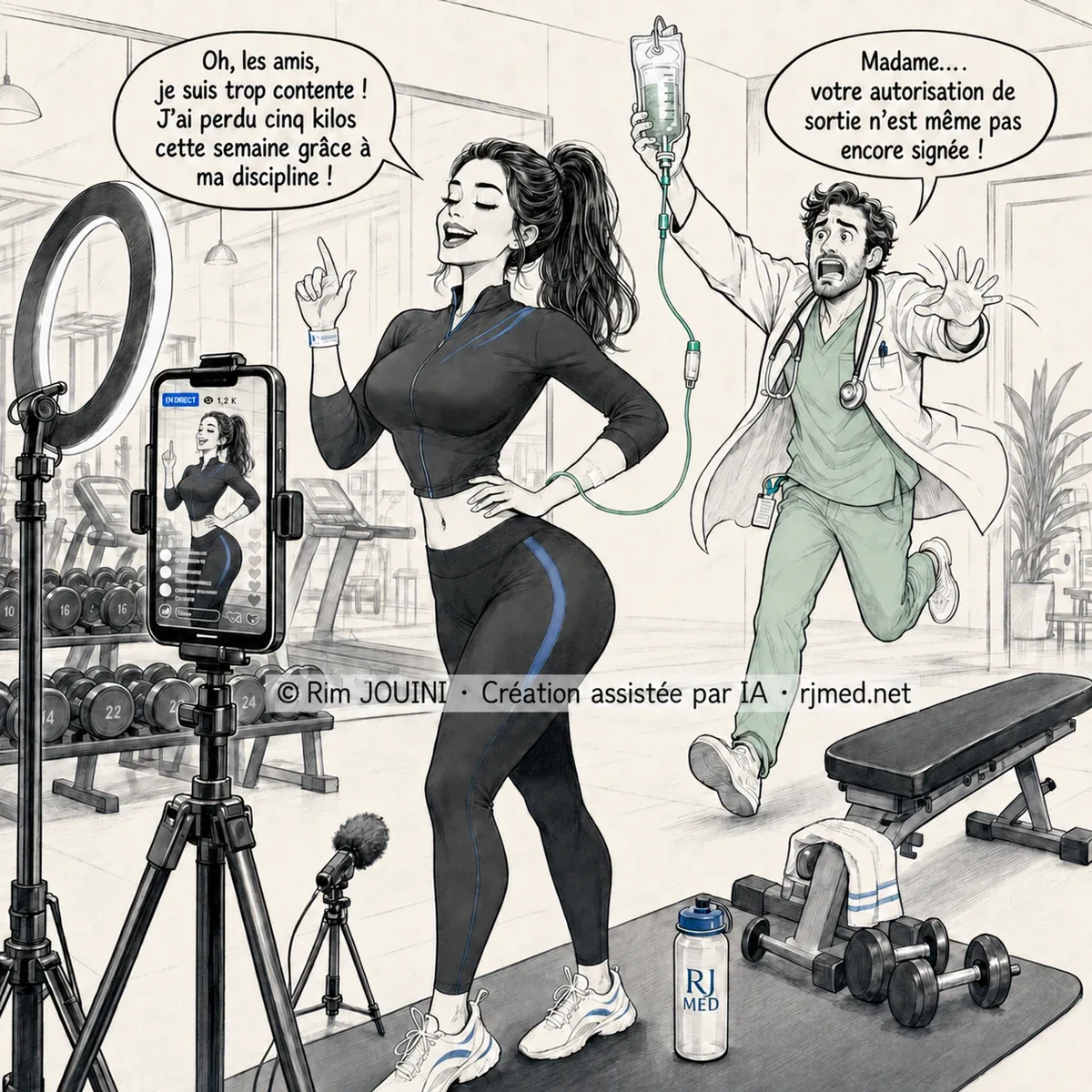
A scene about what the camera shows—and what may remain just outside the frame.
Understand liposuction and weight loss →Before comparing procedures, verify the professionals, facility, quotation, package and medical-stay pathway.