
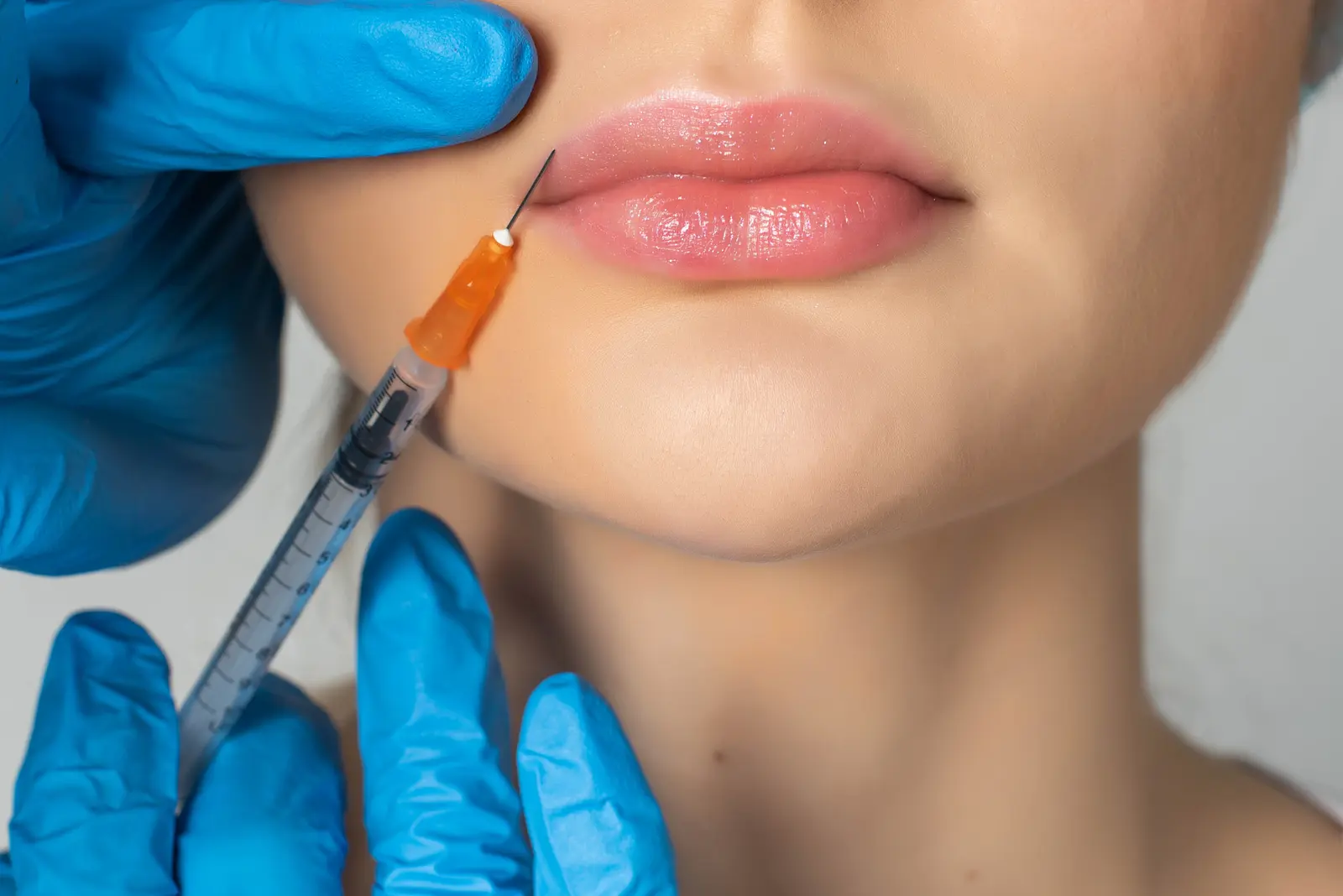
In Tunisia, an aesthetic injection is a medical procedure. A beautician does not become authorised to inject by calling herself a “certified injector”, a “filler expert”, or by completing a private course. Before looking at an Instagram portfolio, establish the one fact that matters most: is the person holding the syringe a doctor?
Why has this warning become so important?
On 21 August 2026, Tunisia’s National Medical Council reiterated that aesthetic medicine remains medicine. When injections or other medical procedures are performed by people who are neither qualified nor authorised, the Council describes this not as a minor overlap with beauty practice, but as the illegal practice of medicine and a public-health risk.
The warning also addresses the way these procedures are normalised on social media. Promotions, transformation videos, certificates on the wall and authoritative-sounding titles may make lip injections look like a beauty service. But the final photograph tells you nothing about the injector’s medical qualifications, where the product came from, the conditions in which it was used or what would happen if a complication developed.
“Certified injector”: a reassuring title is not a medical qualification
Words can sound reassuring without carrying the authority the public assumes. A certificate of attendance, a privately issued diploma or a short course does not confer a medical degree. Additional training can extend the skills of someone who is already a doctor; it cannot turn a non-doctor into one.
A beautician may provide services that fall within the lawful scope of beauty practice. Calling an injection a “treatment”, a “touch-up” or an “advanced service” does not move that boundary. A cosmetic purpose does not make a medical procedure non-medical.
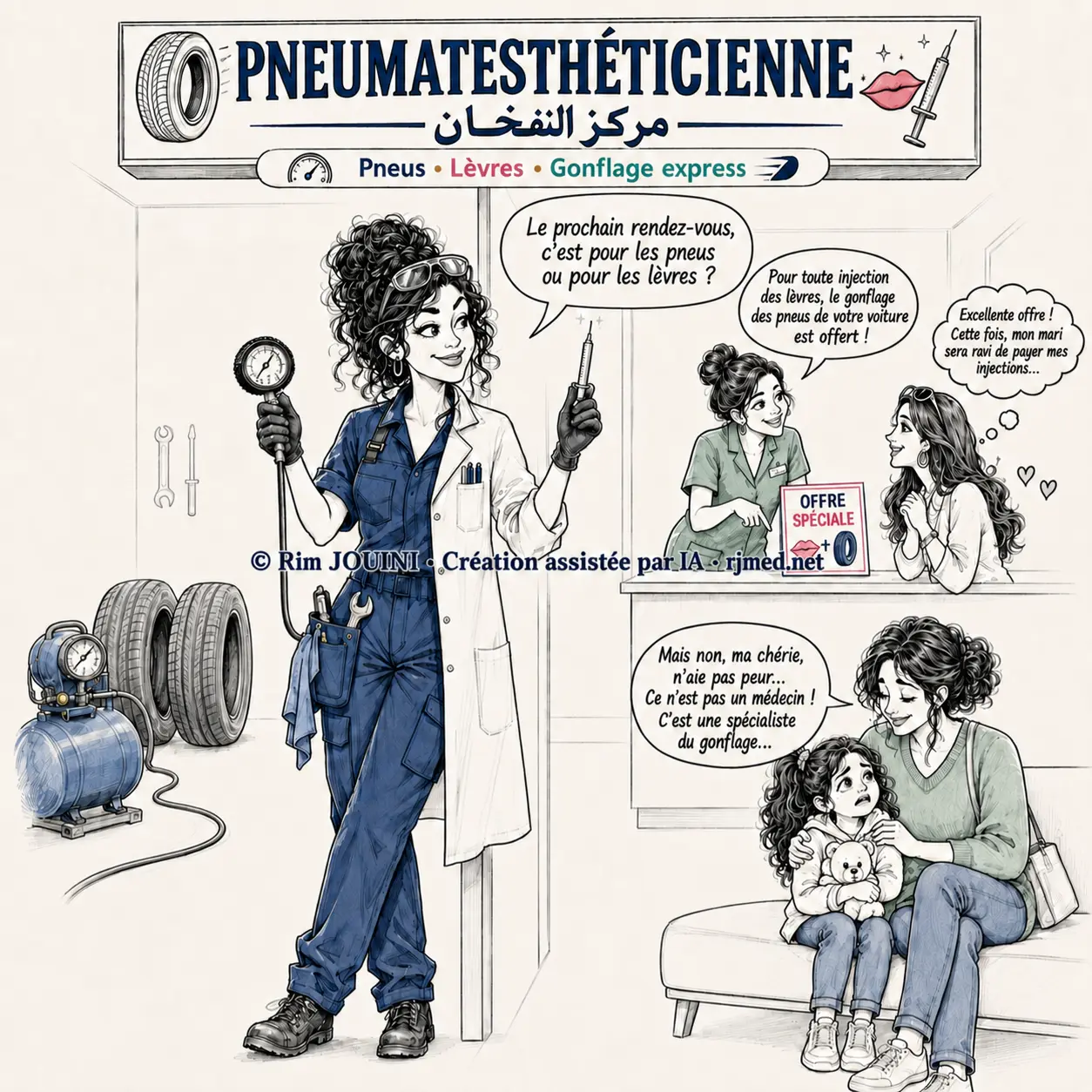
A medical degree is essential — but it is not the only question
Saying that the injector must be a doctor does not mean every doctor should perform every procedure without appropriate additional training. A medical degree is the indispensable starting point. Safe practice also requires applied anatomical knowledge, sound patient selection, familiarity with products and techniques, and the ability to prevent, recognise and manage complications.
A general practitioner may undertake additional training in aesthetic medicine. That is fundamentally different from a non-doctor completing a commercial injection course: the former already has medical education, professional accountability and ethical duties; a commercial certificate does not give the latter the right to practise medicine.
Seven checks to make before agreeing to an injection
1. Who will actually perform the injection?
Ask for the full name of the person who will perform the procedure, not merely the clinic’s trading name. Check their professional registration with the Medical Council. Walk away if the person’s identity is withheld, if an assistant is expected to inject in the doctor’s place, or if nobody will give you a clear answer about their medical status.
2. Training and experience with the planned procedure
Ask about the doctor’s training and experience with the planned area and product. Injecting the lips, nose, tear troughs and jawline involves different anatomy and different levels of risk. A responsible doctor will explain the limitations as readily as the expected result — and may decide that treatment is not appropriate.
3. A consultation before the syringe
Consultation should cover medical history, allergies, medicines, active infections, previous injections and past complications. The doctor should understand your goal, examine the area, discuss alternatives and give you enough information to make an informed decision. A syringe prepared before you have even spoken is not a mark of efficiency.
4. Exactly what product will be injected?
Ask for the exact product name, manufacturer, batch number and expiry date. You should be able to identify the packaging, which must be handled and opened appropriately. “It is an excellent product” or “our own clinic brand” is not a substitute for traceability.
5. A setting designed for medical care
The Medical Council stresses that medical procedures must be carried out in an appropriate facility that meets hygiene and safety requirements. A hotel room, a private home, the back room of a beauty salon or a group “injection day” cannot simply be assumed to meet those standards.
6. Risks explained without minimising them
Redness, swelling, bruising and temporary asymmetry can occur. More serious complications include infection, nodules, inflammatory reactions, vascular compromise, skin injury and, very rarely, visual disturbance. Anyone describing the procedure as “risk-free”, or guaranteeing the outcome, is giving you a reason to stop and reconsider.
7. A named contact and a plan if something goes wrong
Before leaving, you should know whom to call, which number to use and where you will be examined if you become concerned. For hyaluronic-acid fillers, ask whether the practitioner has an established protocol and the necessary resources for a vascular complication. Patient care does not end when the “after” photograph is taken.
When the sales pitch makes the medical act disappear
- an unusually low price or an offer that expires within hours;
- bundle deals such as “buy two areas, get one free” without individual assessment;
- a provider described only as a beautician, technician, expert or certified injector;
- no medical consultation and no questions about your health;
- a product outside its original packaging, shared between clients or kept unnamed;
- treatment at home, in a salon or another improvised setting;
- guaranteed results, dismissed risks or pressure to decide immediately;
- no traceability record, written aftercare or clear route to follow-up.
A white coat, gloves, framed certificates or a large following do not prove that someone is a doctor. Equally, a high price does not guarantee safety: what matters is what you can actually verify.
Hyaluronic acid and botulinum toxin are not the same treatment
Hyaluronic acid can be used to restore or modify selected volumes. Botulinum toxin acts differently, by reducing selected muscle activity. Their indications, precautions, doses and possible complications are not interchangeable. Only a medical assessment can determine whether an injection is suitable, whether another approach would be better or whether no treatment is advisable.
Our guide to dermal fillers in Tunisia explains their aims and limitations. Around the nose and tear troughs, the anatomy and proximity of important blood vessels make the promise of a “tiny touch-up” particularly misleading.
After an injection: which symptoms require prompt medical attention?
Follow the doctor’s written instructions. Seek prompt medical advice for severe or worsening pain; skin that becomes pale, grey, purple or mottled; unusual coolness; blistering; weakness; fever; worrying swelling; or any symptom that changes quickly.
Do not try to treat a complication by following an online video, and do not allow a non-doctor to “correct” it with another injection. Keep the packaging, product name, batch number, time of treatment and practitioner’s details.
Frequently asked questions
Can a beautician trained abroad inject in Tunisia?
Training abroad does not, in itself, confer a medical degree or authorisation to perform a medical procedure in Tunisia. The location of the course and the appearance of its certificate do not alter the nature of the act.
Can a nurse offer aesthetic injections independently?
Do not confuse the supervised delivery of prescribed healthcare within a clinical system with an autonomous commercial injection business. For a patient choosing an injector, the clear point of reference for the patient is an identified, suitably trained doctor who takes responsibility for the assessment, the procedure and follow-up.
How can I check whether someone is a doctor in Tunisia?
Ask for their full name and search the Medical Council’s professional register. A clinic name, a social-media handle or the word “doctor” in a biography is not proof.
Can a doctor refuse to inject me?
Yes. Declining an unsuitable, disproportionate or unsafe procedure is part of professional responsibility. That refusal may reflect sound medical judgement, not a lack of skill.
The RJMed view: clear professional boundaries protect patients
This is not about belittling beauty professionals, whose work has its own legitimate scope. It is about maintaining the boundary when a procedure penetrates tissue, uses a medical product and may demand urgent treatment. Respecting professions also means not assigning one profession the acts and responsibilities of another.
Before choosing a new lip shape, cheek contour or profile, choose a medical setting in which your health remains the priority. An offer may look elegant, quick and reassuring; the essential questions are still the same: who is holding the syringe, with what qualification, which product and what plan if treatment does not go as expected?