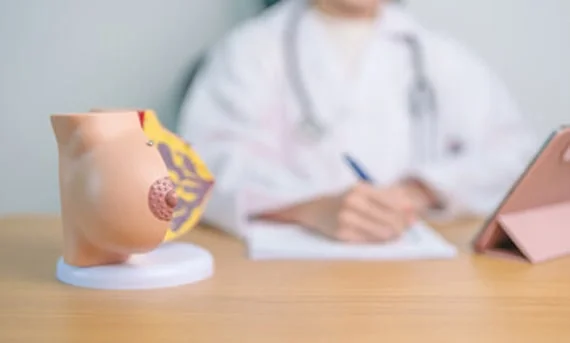
Restorative micropigmentation
Visual areola reconstruction: a coordinated decision
After certain breast procedures in Tunisia, the areola may be absent, altered or asymmetrical. Micropigmentation places pigment in the skin to create an appropriate shape and colour range. It may be unilateral or bilateral and should be planned from a drawing agreed before treatment.
Shade, diameter and position are chosen according to the skin, the reconstructed area and, when present, the opposite areola. The appearance changes during healing, so the initial colour is not the final settled colour. A touch-up may be discussed, followed by longer-term maintenance if pigment fades.
An essential point: no one is required to reconstruct or tattoo an areola. After surgery or mastectomy, choosing to proceed, postpone or decline this step is personal and should be made without pressure.
Why does medical advice matter?
The date of surgery, scar condition, previous radiotherapy, current treatments and skin quality may affect timing or suitability. Persistent redness, new pain, an open wound, discharge, a lump or an unexplained change is not an aesthetic concern and requires medical assessment first.
Hygiene, pigments and traceability
Before choosing a practitioner, ask about training, hygiene standards, single-use equipment and pigment traceability. Pre- and post-treatment precautions, possible reactions and what to do if a problem occurs should be clearly explained.