
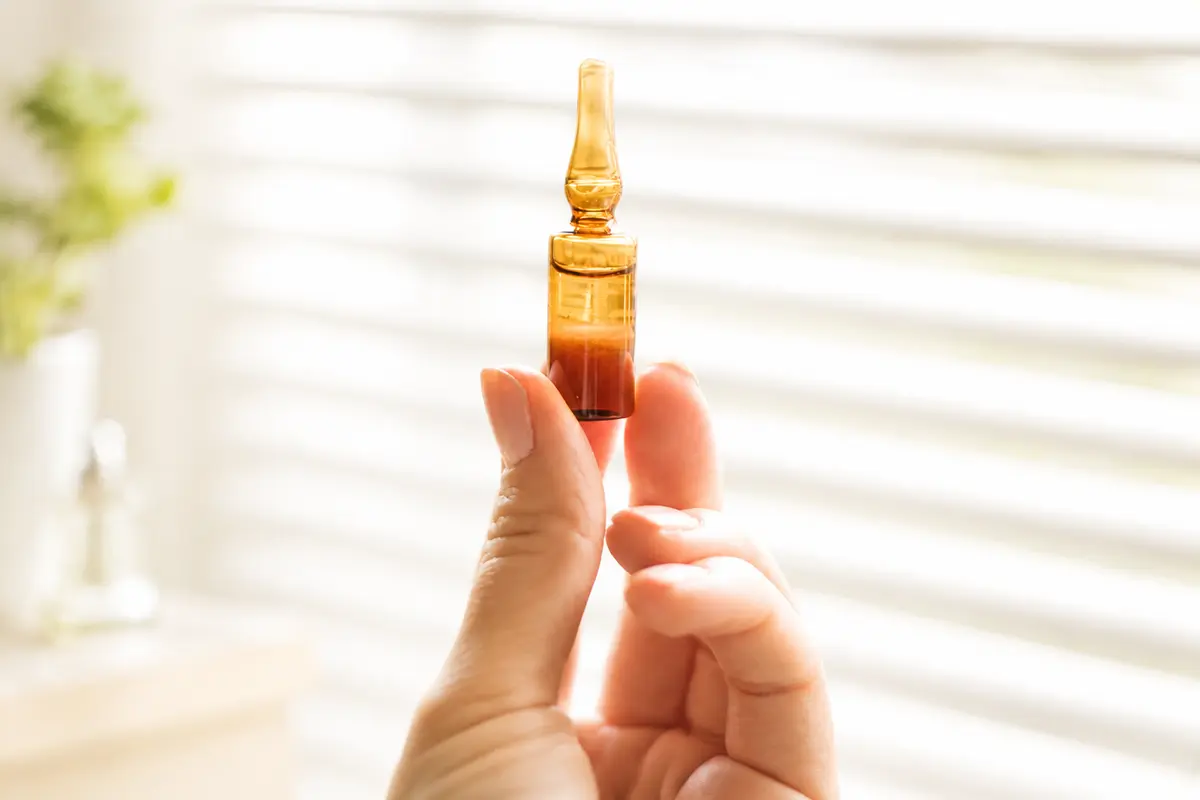
No, we do not all need the same vitamin D ampoule. Requirements vary with age, health, actual sun exposure, diet, certain conditions and current medication. Presenting a concentrated dose as an ordinary wellness habit removes the individual assessment that makes supplementation appropriate—or inappropriate.
Why “everyone needs it” is misleading
Vitamin D contributes to calcium balance, bone health and muscle function. Yet a necessary nutrient is not automatically beneficial at every dose. Food intake, a modest daily supplement, a concentrated ampoule and a prescribed correction regimen are not interchangeable. Dose, interval and medical context matter.
A short video cannot know your previous results, kidney history, pregnancy, medicines or the supplements you already combine. Giving one instruction to an entire audience erases the information needed to judge whether it is safe.
With concentrated ampoules, timing matters as much as strength
Some preparations place in one dose an amount intended to be taken at widely spaced intervals. They must not be treated like an ordinary daily tablet. Taking an ampoule too soon, combining several vitamin D products or overlooking an existing prescription may raise total exposure without the person realising it.
Check the exact amount in IU or micrograms, the intended interval and every other product you use. The word “vitamin” on a package does not make incorrect use harmless.
What can excessive vitamin D cause?
Toxicity is uncommon with appropriate use, but excessive supplemental intake can produce abnormally high blood calcium. Possible signs include nausea, vomiting, constipation, poor appetite, marked thirst, frequent urination, weakness, confusion or pain. Severe cases may involve kidney stones, kidney injury or abnormal heart rhythm.
These symptoms are not specific enough for self-diagnosis. After an excessive or repeatedly incorrect dose—or if worrying symptoms appear—contact a healthcare professional promptly and keep the product packaging available.
Does everyone need a blood test first?
Not necessarily. Current guidance does not recommend routine blood screening for every healthy adult. That does not make a social-media high-dose recommendation appropriate. Whether testing is useful, which preparation fits and how often it should be taken depend on the person, risk factors and clinical purpose.
A clinician may request testing in a relevant context; a pharmacist can help check strength, combinations and compatibility with current treatment. The useful question is not “who takes it online?” but “what is appropriate for me?”
Does Tunisia’s sunshine prevent deficiency?
No. Living in a sunny country does not guarantee adequate vitamin D. Actual time outdoors, timing, season, clothing, skin pigmentation, age and health factors all affect skin synthesis. Research in Tunisian populations has reported frequent insufficiency despite the climate.
“Nobody in Tunisia is deficient” is therefore as unreliable as “everyone needs an ampoule.” Sunshine is neither a universal prescription nor a blood result. Deliberate excessive sun exposure is not a safe solution because ultraviolet radiation damages the skin.
Food, movement and supplements: each has a different role
A varied diet, physical activity and sensible outdoor time support health. Some foods naturally contain vitamin D and others are fortified. These habits matter, but they do not correct every deficiency and do not replace treatment when it is genuinely indicated.
Conversely, a row of capsules cannot compensate for inactivity, an unbalanced diet or missing medical care. A supplement should answer an identified need, not turn pill accumulation into a lifestyle.
Commercial influence: ask what the attractive video leaves out
Sponsored content may turn a supplement into a simple and desirable ritual. Declaring a partnership is important, but it does not answer the medical questions. Responsible information about high doses should identify the strength, intended users, precautions and need for professional advice.
Do not confuse confidence, follower count or polished production with expertise. A large audience is not a medical qualification.
Safer steps before supplementation
- Photograph the package and read the exact strength, not only the product name.
- Check whether other medicines or supplements already contain vitamin D or calcium.
- Never copy another person’s dose or schedule.
- Tell a professional about medical conditions, pregnancy and current medication.
- Do not double a missed dose without instructions.
- Keep ampoules and supplements away from children.
Frequently asked questions
Is vitamin D dangerous?
Not when used appropriately. Concern centres on excessive or inadvertently combined supplemental doses, particularly concentrated preparations.
Can I be deficient despite Tunisia’s sunshine?
Yes. National sunshine does not describe individual exposure or the many factors affecting vitamin D status.
Should I stop a prescribed treatment after reading this?
No. Do not change a prescription on your own. Ask the professional who prescribed it if you are unsure about the strength or duration.
RJMed’s position
RJMed is not against vitamins or supplements. We are against turning a concentrated dose into universal advice. Your health is not a trend, and your body is not the body of the person on your screen.